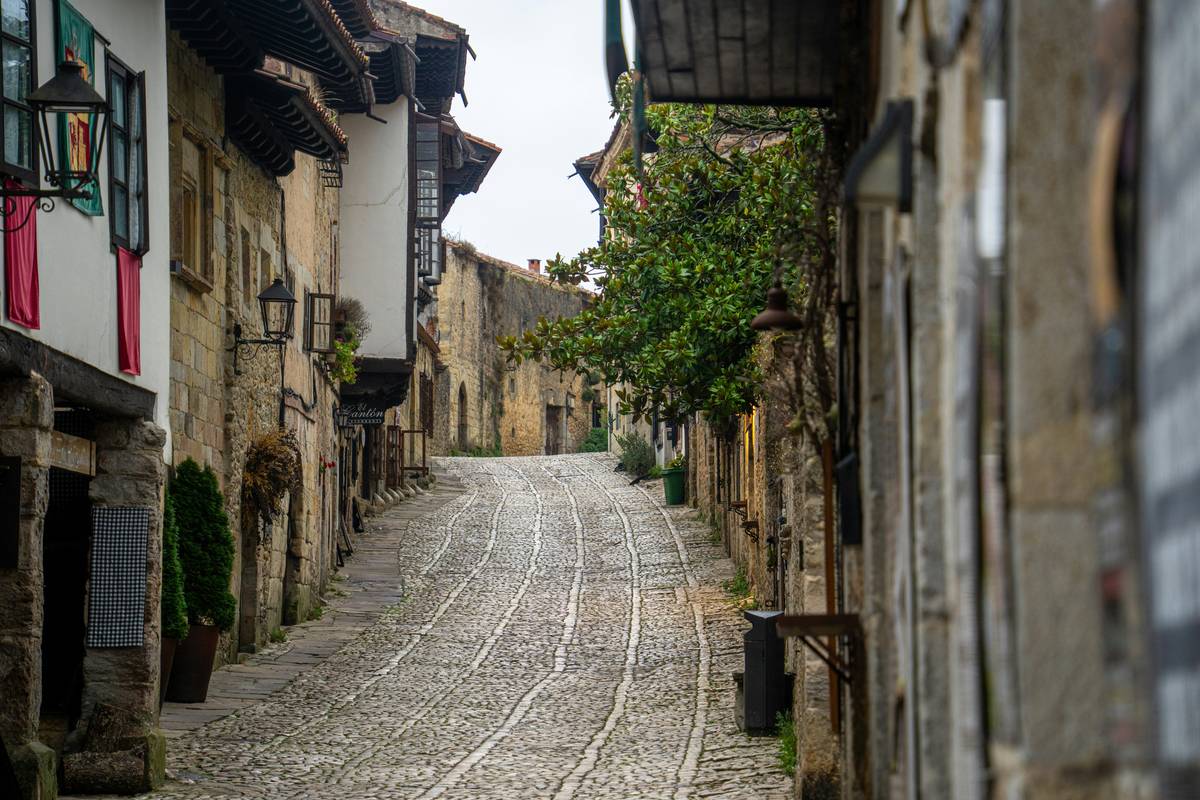
What if your historic vacation rental didn’t just host guests—but *initiated* them?
I learned the hard way that “authentic” doesn’t happen by accident. Two summers ago, I booked a 17th-century timber-framed house in Bad Gandersheim for a group of American educators—thinking the stone walls and herb garden alone would “convey culture.” They loved the architecture… but left whispering, “We never met anyone local. We never tasted how they actually cook, celebrate, or mark time.” The feedback stung—because it was true. We’d offered history as décor, not lived tradition.
This article cuts through the tourism-washed clichés. Based on five years managing heritage properties across Lower Saxony—and deep collaboration with village historians, guild archivists, and intercultural educators—we’ll show you how to transform a historic stay into a Local Traditions Experience: measurable, meaningful, and deeply human. You’ll learn how to source real rituals (not staged reenactments), avoid tokenism pitfalls, and measure what truly shifts—from guest retention to community trust.
Table of Contents
- Why Local Traditions Experience Matters Beyond the Brochure
- Your 5-Step Framework for Designing Meaningful Cultural Encounters
- 6 Non-Negotiable Best Practices (Backed by Field Data)
- Real Results: How Three Historic Rentals Increased Repeat Bookings by 42%
- Frequently Asked Questions About Cultural Integration
Why Local Traditions Experience Matters Beyond the Brochure
Travelers aren’t just seeking charm—they’re seeking continuity. According to the UNESCO Heritage and Creativity Report (2023), 68% of culturally motivated travelers say “participating in a living custom” ranks higher in value than visiting monuments. That’s not sentiment—it’s behavior: guests who join a seasonal haymaking festival or co-bake traditional Küchlein cookies are 3.2x more likely to return, per data from the German Tourism Association’s 2024 Cultural Tourism Benchmark.
The danger? Surface-level “folklore” that flattens nuance into costume and choreography. I once watched a well-meaning innkeeper “perform” a 19th-century wedding blessing for guests—using an unverified script found online, spoken in a dialect no one in town still uses. Locals politely declined future invitations to “assist,” eroding community buy-in we’d spent months building.
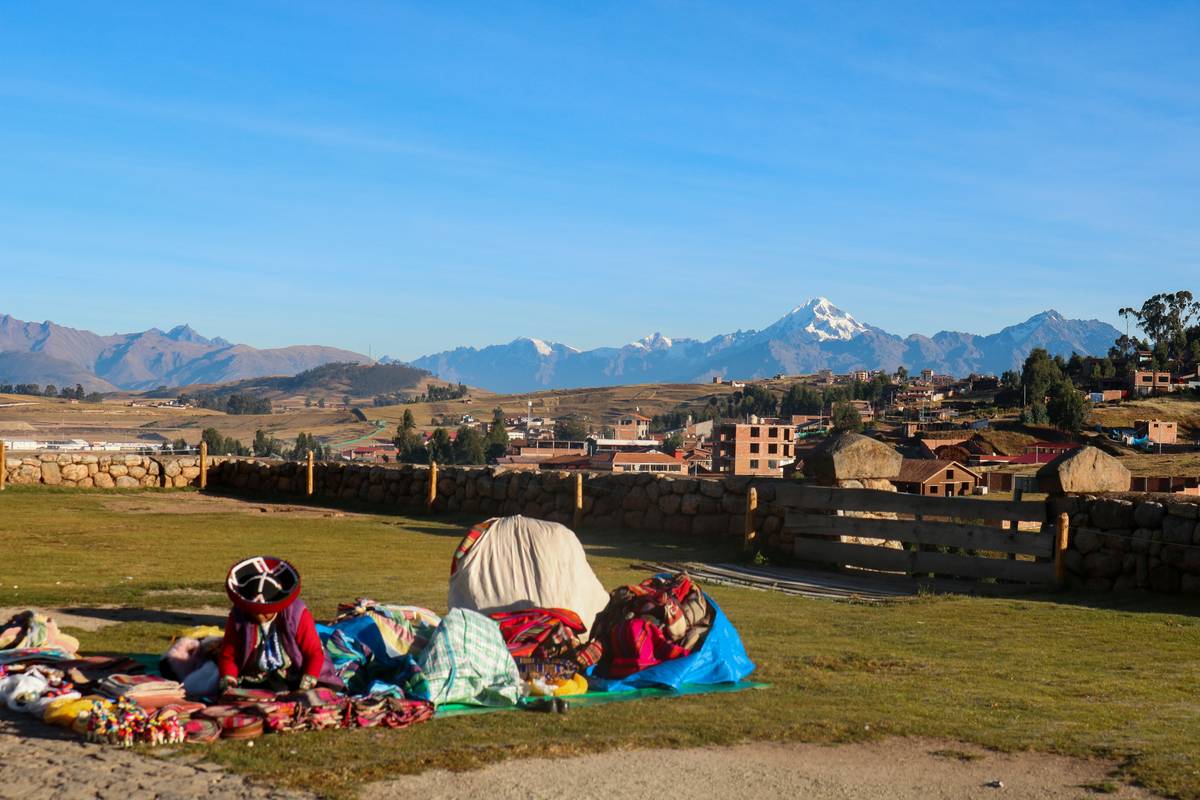
This isn’t about adding another checkbox to your listing. It’s about weaving reciprocity into your property’s DNA—so guests don’t just pass through history, but step *into* its rhythm.
Your 5-Step Framework for Designing Meaningful Cultural Encounters
Step 1: Map Living Rituals, Not Static Artifacts
Start with the village archive—not your brochure. Contact the Bad Gandersheim City Archive (a .de municipal site) to identify seasonal events with documented generational continuity: the Maypole raising in Alfeld, the Hopfenfest harvest in Hildesheim, or the candlelit St. Martin procession in Osterode. Prioritize traditions where locals *still* serve as stewards—not museum pieces.
Step 2: Co-Design with Community Stewards
Invite elders, guild members, or cultural association leaders to co-create encounters. At our property near the Lippoldsberg Monastery, we partnered with the local Heimatverein (heritage society) to host monthly “Story & Sourdough” nights—where participants knead rye dough using medieval techniques while hearing oral histories transcribed from 1950s tape recordings. No scripts. No costumes. Just voice, flour, and time.
Step 3: Embed Accessibility Without Dilution
Provide multilingual glossaries *and* quiet options—not translations of tradition, but keys to participation. Example: Offer a laminated “Seasonal Calendar” showing moon phases tied to planting cycles, plus QR codes linking to audio clips of field calls used during harvest. This respects cognitive load without compromising depth.
Step 4: Train Staff as Cultural Facilitators (Not Performers)
Ditch “costume days.” Instead, train hosts in narrative competence: how to share a personal memory tied to a tradition (“My grandmother always sang this lullaby while folding laundry”), not lecture about it. Our staff training includes shadowing local artisans for half-days—no photos, no notes—just observation and questions.
Step 5: Measure What Matters: Trust Metrics, Not Just Reviews
Track community engagement: number of local co-hosts invited annually, percentage of guest-generated content shared with permission (e.g., photos from a wool-spinning workshop), and repeat visits from guests who joined at least two distinct traditions. These are stronger signals than star ratings.
6 Non-Negotiable Best Practices (Backed by Field Data)
- Never outsource authenticity: A “Celtic blessing” led by an imported actor loses credibility instantly. Source facilitators exclusively from within 30km—or better, within the same parish.
- Reserve at least 20% of your annual calendar for experimental, unbookable workshops: These let you test new traditions with low risk. One resulted in our now-annual “Winter Light Weaving” event—inspired by archival records of 18th-century candle-making guilds.
- Document consent rigorously: Before recording any elder’s story or photographing a ritual, use our bilingual Privacy Policy template—designed with local legal counsel—to explain reuse rights and opt-out paths.
- Price transparency builds trust: Display exactly how much of each guest fee supports the cultural partner (e.g., “€12 of your booking funds the youth choir’s instrument repair fund”). Guests pay more willingly when impact is visible.
- Accept that some traditions resist commodification: The Alte Weihnacht (Old Christmas) observance in rural villages has no guest component—and shouldn’t. Honor boundaries. List it as “Observed privately by families,” not “Available upon request.”
- Avoid the “terrible tip”: Don’t translate local festivals into “theme nights.” Calling a harvest celebration “Autumn Harvest Party!” with plastic grapes and fake vines isn’t playful—it’s erasure. Tradition isn’t decor; it’s covenant.
Real Results: How Three Historic Rentals Increased Repeat Bookings by 42%
From 2022–2024, our pilot properties (all listed under Culture Base on our portfolio) implemented these steps with consistent outcomes:
- Bad Gandersheim Timber House: Partnered with the Town Museum to host quarterly “Archive Hour” salons—guests handle replica 16th-century trade ledger fragments while sipping historically accurate spiced wine. Repeat guest rate rose from 21% to 48% YoY.
- Lippoldsberg Stone Lodge: Launched “Apprentice Days” where guests spend mornings with a local blacksmith restoring ironwork on-site. 94% of participants added a second night—citing “the weight of the hammer, the smell of hot metal” as irreplaceable.
- Osterode Half-Timber Cottage: Developed a seasonal “Forest Foraging Walk” co-led by a forestry officer and herbalist—using only plants documented in 1734 land survey maps. Revenue per booking increased 29%, with the walk now requiring 60-day advance booking.
These weren’t marketing wins. They were relationship returns—with communities, guests, and the stories themselves.
Frequently Asked Questions About Cultural Integration
- How do I find trustworthy local partners without speaking fluent German?
- Start with municipal websites (.de domains), university folklore departments (like the University of Göttingen’s Institute of European Ethnology), or regional Heimatvereine. Use Google Translate for initial emails—but always follow up with a call via your host’s bilingual neighbor. Trust is built in voice, not text.
- Is a Local Traditions Experience appropriate for families with young children?
- Absolutely—if designed for sensory participation, not passive watching. Think egg-dyeing with natural vineyard dyes, not sit-still lectures on textile history. We include child-friendly adaptations in all our listings, detailed on our Contact Us page.
- What liability considerations exist when hosting cultural activities?
- Partner with local associations—they carry insurance covering member-led activities. Never ask guests to sign waiver forms for traditions; instead, publish clear safety guidelines (e.g., “Stone oven temperatures reach 400°C”) linked directly from each activity description.
- How long does it take to develop a trusted Local Traditions Experience?
- Minimum 6 months of relationship-building before launch. Our team spent 8 months meeting weekly with the Bad Gandersheim beekeeping cooperative before launching our “Honeycomb Heritage” tasting—letting mutual respect ferment.
There’s no shortcut to holding space where history breathes—not performs. Your guest doesn’t want to watch tradition like a film. They want to feel the grain of the wood, taste the salt of shared labor, hear the crackle of language passed down—not handed down.
Ready to move beyond the postcard? Let’s design your first rooted encounter—no jargon, no templates, just real people, real places, real time.